
Slovenia may be small, but its table tells the story of several landscapes at once. Alpine pastures meet the Mediterranean, the Karst opens towards the Adriatic, and the fertile east brings its own generous traditions. The result is not one single national menu, but a collection of regional flavours shaped by seasons, family kitchens and the land.
For travellers, this makes traditional Slovenian cuisine especially rewarding to discover slowly. A memorable food experience may be a beautifully prepared restaurant dinner, but it can just as easily be warm bread at a farm, cheese made on a mountain pasture or a slice of potica shared over coffee.
Begin with the farm table
In the countryside, breakfast often reveals more about a region than a long list of attractions. Look for local butter, curd cheese, yoghurt, honey, homemade jam, seasonal fruit and bread with a proper crust. These are simple foods, yet they express the rhythm of Slovenian rural life: produce what the landscape allows, preserve what the season gives and waste as little as possible.
Slovenia is also one of Europe’s great beekeeping cultures. Honey appears at breakfast, in desserts and sometimes in drinks or savoury dishes. Asking which flowers the bees visited—forest, acacia, linden or chestnut—can become a small lesson in the surrounding landscape.
Alpine comfort: cheese, štruklji and warming dishes
In Gorenjska and the wider Alpine region, dairy traditions are central. Mountain cheeses range from mild and creamy to firm, mature wheels with a deep, nutty character. On high pastures, cheese is not simply a product; it is part of a seasonal way of life that has connected shepherds, animals and mountain meadows for generations.
One dish worth seeking out is štruklji, rolled dumplings prepared in many regional versions. They may be filled with cottage cheese, herbs, walnuts, apples or tarragon, then boiled or baked. Savoury štruklji are a comforting accompaniment, while sweeter versions make an excellent dessert.
You may also encounter buckwheat žganci, barley stews such as ričet, or hearty jota made with beans, potatoes and fermented cabbage or turnip. These dishes were born from practicality, but when prepared with care they have a quiet depth that suits a cool day in the mountains.
The Karst and the coast: pršut, olive oil and the Adriatic
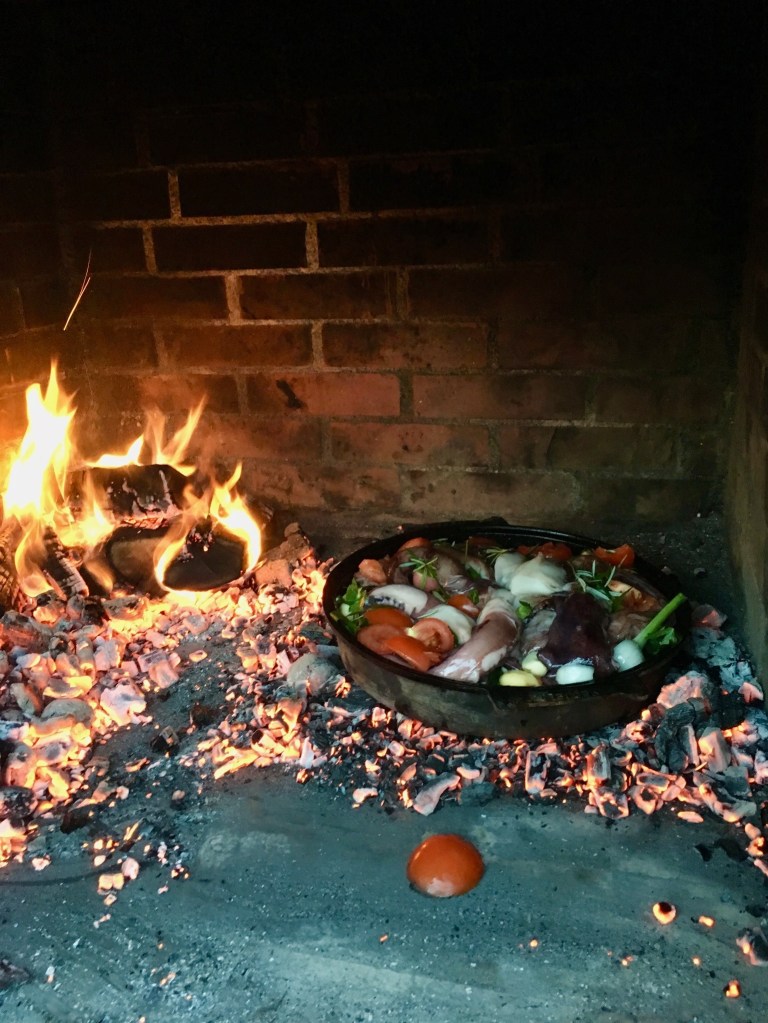
Travel southwest and the flavours change. The Karst is known for wind-dried pršut, often served in thin slices with local cheese, olives and bread. Nearby, Slovenian Istria brings excellent olive oil, herbs, seasonal vegetables and seafood from the Adriatic.
A coastal meal does not need to be elaborate. Fresh fish, grilled simply and finished with olive oil, can be followed by a walk through Piran’s stone lanes. In the hinterland, dishes with wild asparagus, truffles or home-grown vegetables reflect a landscape that feels distinctly Mediterranean while remaining unmistakably Slovenian.
Potica and the sweet side of Slovenia
Potica is Slovenia’s best-known festive pastry: rolled dough with fillings that may include walnuts, tarragon, poppy seeds or other regional ingredients. It is closely associated with celebrations, but smaller bakeries and farm kitchens often offer it throughout the year.
Other sweets vary by region. Bled cream cake is famous, but it is only one part of the picture. Look for apple strudel, buckwheat desserts, honey biscuits and seasonal pastries. The most interesting choice is often the speciality made by the house rather than the most photographed item on the menu.
How to experience Slovenian food thoughtfully
- Follow the season. Spring herbs, summer fruit, autumn mushrooms and winter stews each belong to a different Slovenian journey.
- Choose small producers and family-run farms where possible.
- Ask about origin. Slovenian hosts are often proud to explain who made the cheese, grew the vegetables or produced the wine.
- Leave time between stops. A tasting becomes more meaningful when it is part of the landscape rather than a rushed checklist.
- Tell your host about dietary needs in advance; traditional menus can often be adapted with notice.
A country best discovered one table at a time
The finest Slovenian food experiences are rarely about excess. They are about closeness: to the producer, to the season and to the place where the meal is served. That is why cuisine fits so naturally into a slow journey through Slovenia.
Explore our private journeys through Slovenia, or send an inquiry and we will shape a route around the landscapes and flavours that interest you most.
 Taste & Wonder Slovenia
Leave a comment